
It is one of the first questions guests ask us: is Cebu safe? We have run tours here since 2004, and our honest answer is that Cebu is a friendly, welcoming place where most visits go smoothly. Like any busy city and island region, it has risks you can easily manage. Here is what we tell our own guests.
The honest answer
Most problems visitors run into are small: a phone taken from a pocket in a crowd, an overcharged ride, a bad sunburn or a stomach upset. Serious incidents involving tourists are uncommon, but they do happen, as they do anywhere. Check your own government's travel advice before you go, take out travel insurance, and use the same common sense you would at home.
Filipinos are generally very helpful to visitors. If you are lost or unsure, ask a hotel front desk, a mall security guard or a tourist police officer.
Street smarts
- Watch your bag in crowds. Pickpocketing happens in busy places such as markets, jeepneys, festivals and church crowds. Use a cross-body bag, keep phones in front pockets and wallets out of sight.
- Do not flash cash or jewellery. Carry only what you need for the day and leave the rest in the hotel safe.
- Use Grab or metered taxis. Check the meter is on. Avoid accepting rides from strangers who approach you.
- Take care at night in quiet, poorly lit streets. Stick to busy areas or take a car.
- Mind the traffic. Crossing roads can be the most dangerous thing you do. Use pedestrian crossings and overpasses, and look both ways even on one-way streets.
- Drink responsibly and never leave a drink unattended.

Sea and boat safety
Many Cebu highlights happen on the water, so this matters most.
- Life vests on boats. A proper operator has enough for every passenger, including children's sizes. Wear one when asked.
- Respect weather cancellations. When the Coast Guard suspends sea trips, boats should not sail. An operator who goes anyway is not doing you a favour.
- Know your swimming level. Tell your guide if you are not a strong swimmer. Use a vest while snorkelling if in doubt.
- Watch currents. Some snorkelling spots have current at certain tides. Stay close to your guide and the boat.
- Dive with certified operators. If you are learning to dive, choose a PADI course with qualified instructors.
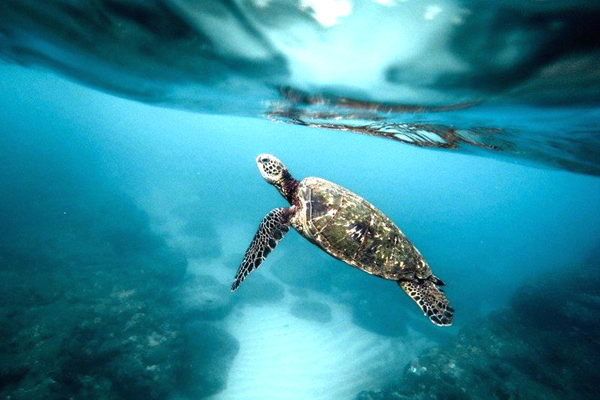
- Respect wildlife. Do not touch, feed or chase turtles, fish or corals. It protects them, and you from cuts and stings.
Scams to know about
- Fake eTravel websites. All arriving travellers must register on the government's eTravel system, and it is free. Lookalike sites charge "processing fees" and may misuse your data. Use only the official site. Our eTravel guide explains it step by step.
- Fake tour pages. Copycat social media pages sometimes use real companies' photos to take deposits. Book through a company's official website or verified contacts, and be wary of prices far below everyone else's.
- Unofficial "guides" and touts at tourist spots who add surprise fees. Agree on everything in advance, or book a complete tour.
- Money changer tricks. Count your money at the counter before you leave, and use changers in malls or banks.
Choosing a registered operator
Before you pay anyone, check that the company is real and properly registered. Ask for its Department of Tourism accreditation and business permits, a physical office address and an official website. Look for a track record and reviews on more than one platform. A legitimate operator will answer these questions happily.
We are based in Lapu-Lapu City and have been operating since 2004. You can read about us on our about page and see what guests say on our reviews page.
Health, heat and sun
- Sun. The tropical sun is strong even on cloudy days. Use reef-safe sunscreen, a hat and a rash guard on boat trips.
- Hydration. Drink plenty of bottled or filtered water. Avoid tap water and be careful with ice from unknown sources.
- Mosquitoes. Dengue exists in the Philippines. Use insect repellent, especially at dawn and dusk.
- Food. Choose busy places with fresh cooking. Pack basic stomach medicine.
- Medical care. Cebu City has large private hospitals. Travel insurance with medical cover is strongly recommended.
If something goes wrong
Save a few numbers in your phone before you need them: your hotel, your tour operator, your embassy or consulate, and the national emergency hotline, 911. Keep a photo of your passport and insurance policy in your email or cloud storage. If your passport is lost or stolen, report it to the police for a written report, then contact your embassy. If you feel unwell on a tour, tell your guide straight away; they know the nearest clinic or hospital. Weather can also affect safety, so read our rainy season guide if you travel between about June and November.
For current alerts and weather updates, see our travel advisory page. If anything worries you before your trip, ask us.
Frequently asked questions
Is Cebu safe for tourists?
Generally yes. Most visits are trouble-free; the usual problems are petty theft, traffic, sunburn and sea conditions, which you can manage with common sense.
Do I have to pay for eTravel when entering the Philippines?
No. The official eTravel registration is free. Websites that charge fees are not the official system.
Is island hopping in Cebu safe?
Yes, with a proper operator that provides life vests, follows Coast Guard weather rules and uses trained crew. Boats should not sail when trips are suspended.
Can I drink tap water in Cebu?
It is best not to. Drink bottled or filtered water, which is easy to find everywhere.
Prices on tour cards are live from our booking system. Fees set by local governments (entrance and environmental fees) can change; we confirm everything when you book.